
5-9 Layers Co-Extrusion Water-Cooled Blown Film Machine
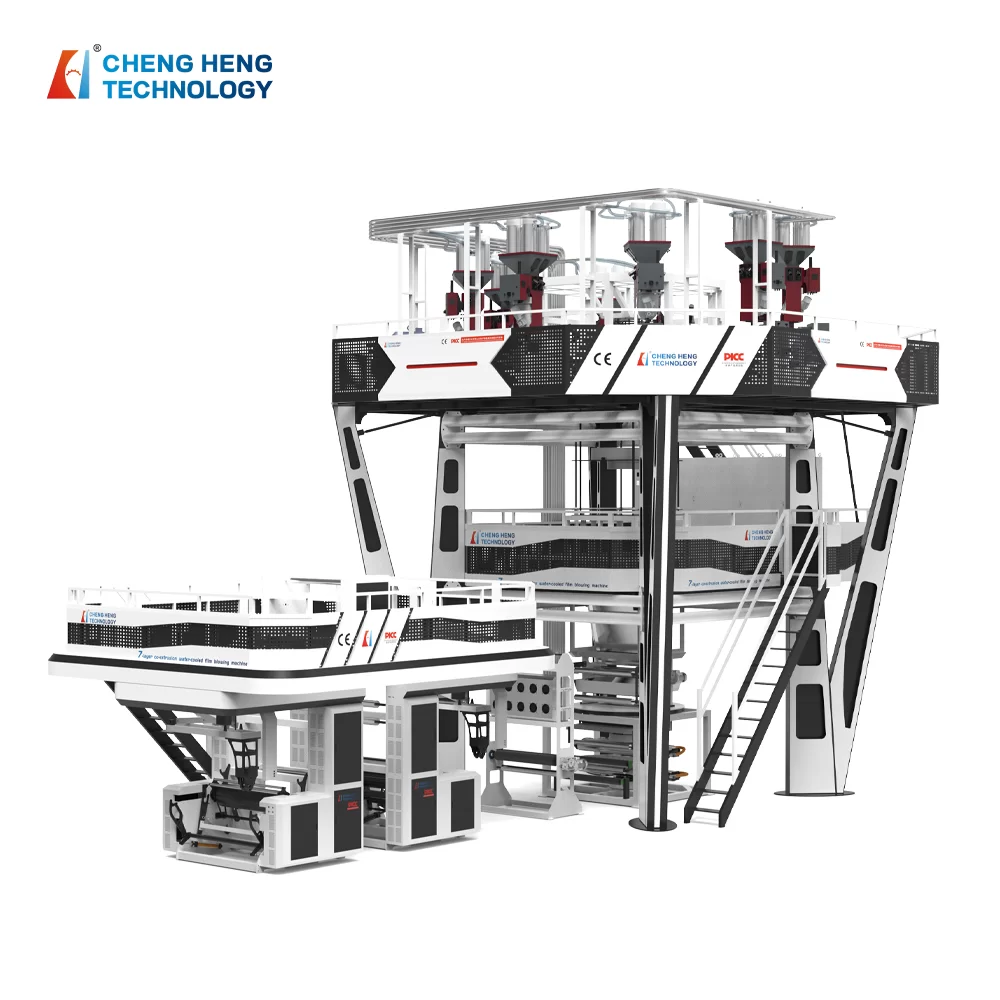
This multi-layer co-extrusion water-cooled bottom-blowing film blowing machine uses a top-down (bottom-blowing) extrusion process with water cooling technology. It is designed primarily for producing high-performance multi-layer composite films, offering high transparency, high uniformity, and special cooling capability compared with traditional top-blowing methods. Typical applications include high-transparency packaging films, shrink films, and plastic wrap.
Product Description
-
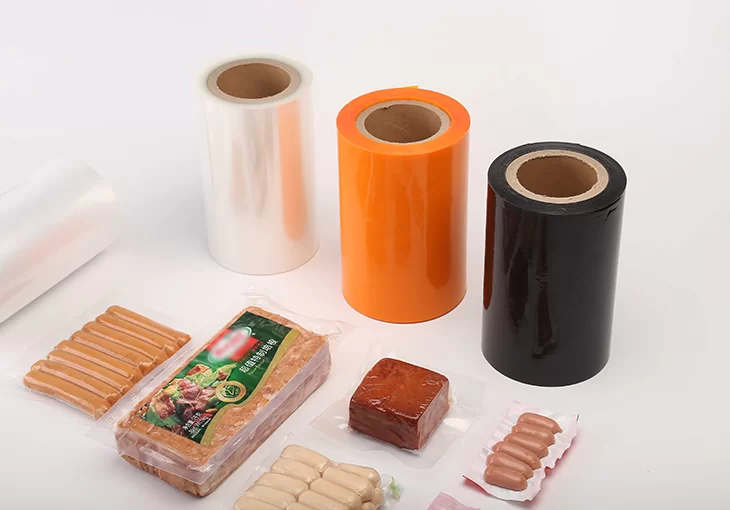
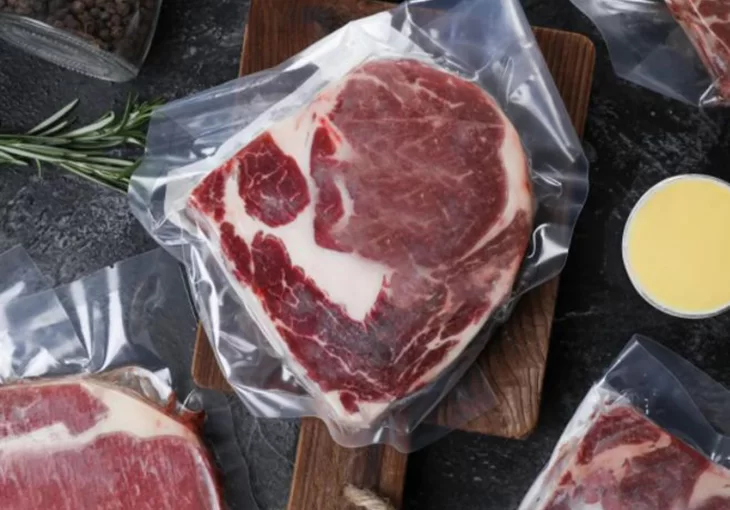
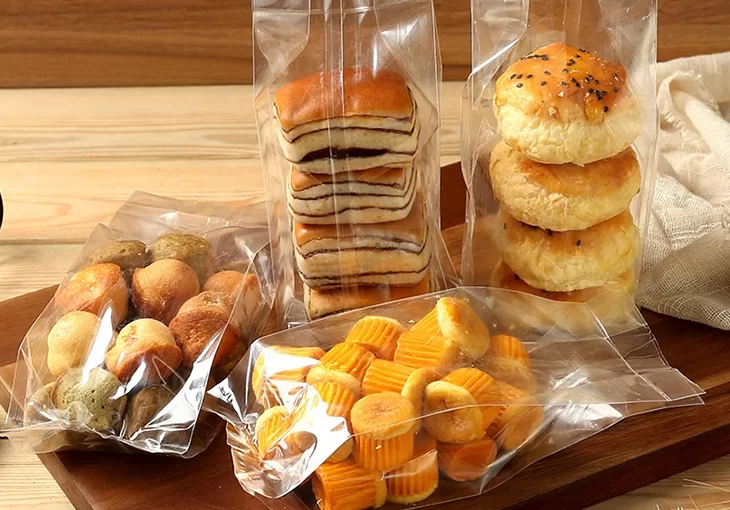
 ApplicationThe multi-layer co-extrusion water-cooled film blowing machine is an advanced plastic film production system. Using co-extrusion technology, it layers and laminates resin materials with different functional properties, combined with a water-cooling process to ensure efficient cooling and stable film forming. It is mainly used to produce high-performance multi-layer composite films, commonly for food packaging, pharmaceutical packaging, agricultural films, industrial protective films, and other applications.
-
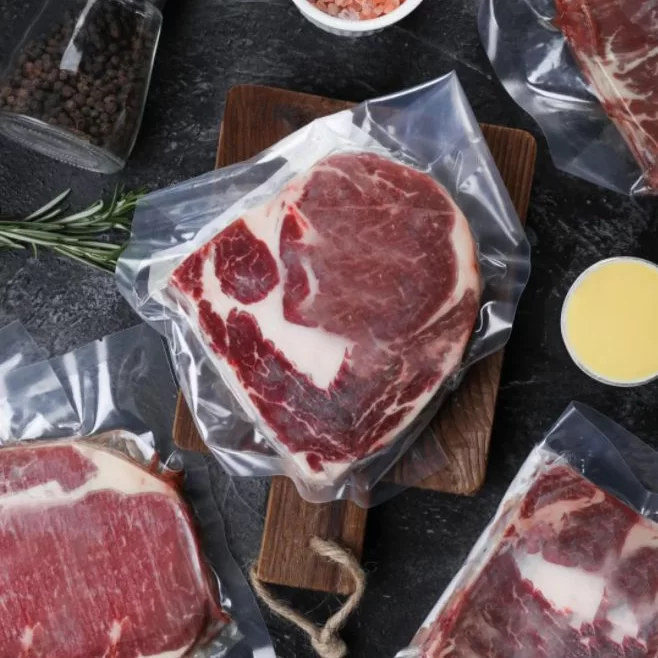 Multi-layer co-extrusion structureEquipped with multiple extruders, raw materials with different properties (e.g., PE, PP, PA, EVOH, etc.) are melted and plasticized separately. They are then precisely compounded into a pre-defined multi-layer structure (e.g., AB, ABA, ABC, etc.) using a multi-layer composite die, delivering complementary material properties such as barrier performance, strength, and chemical resistance.
-
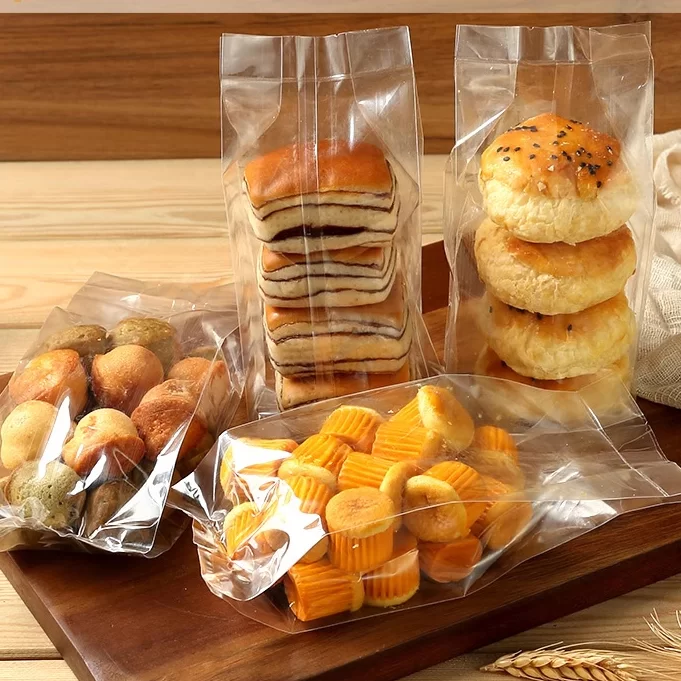 Down-blowingUnlike the “up-blowing” process, where the bubble expands upward, after the melt is extruded from the die, the bubble extends vertically downward. Gravity supports film drawdown and helps reduce bubble sway. This process is especially suitable for producing thicker and more rigid films, such as industrial packaging films.
-
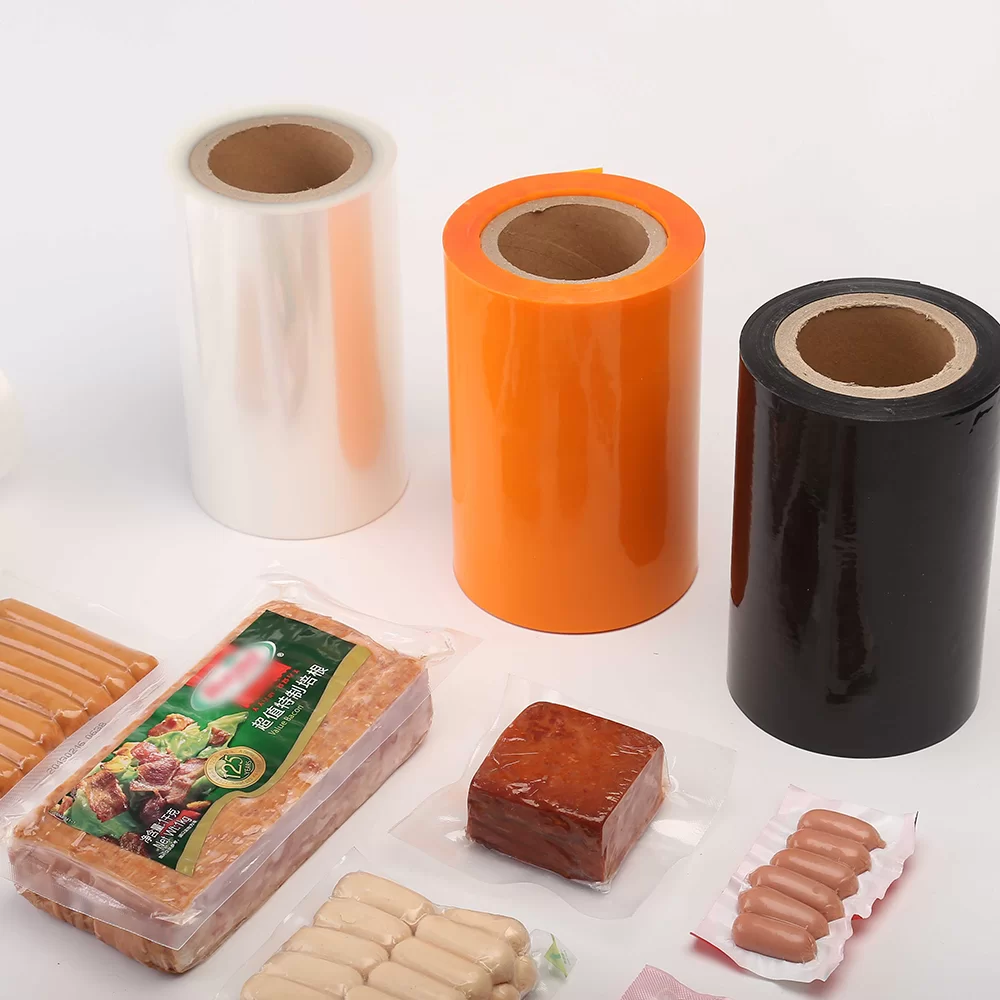 Water-Cooling SystemAfter extrusion, the film bubble is cooled and set using an annular water jacket, water ring, or spray device. These components directly contact the bubble surface. The high thermal conductivity of water enables rapid cooling of the film. Compared with air cooling, water cooling is more efficient, helps suppress high-temperature degradation of the raw material, and improves the film’s transparency, gloss, and mechanical stability.