
5 Layer Co-Extrusion Pro Blown Film Machine
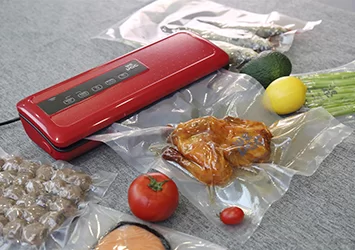
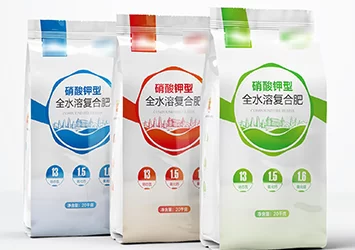
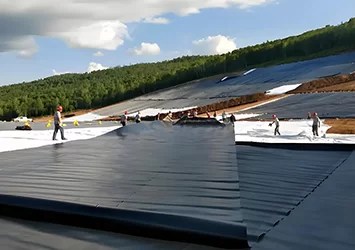
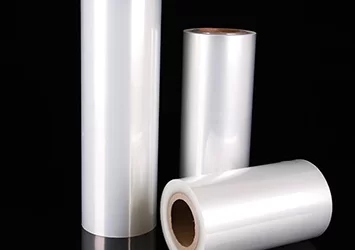
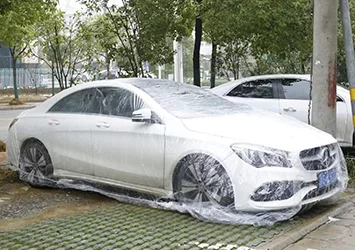
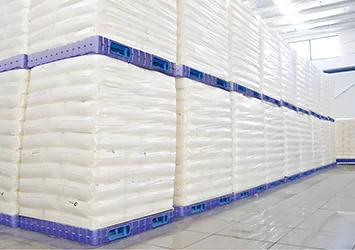
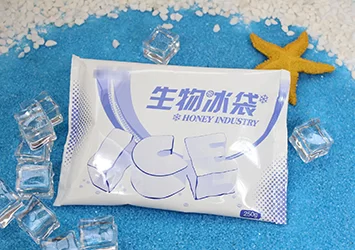
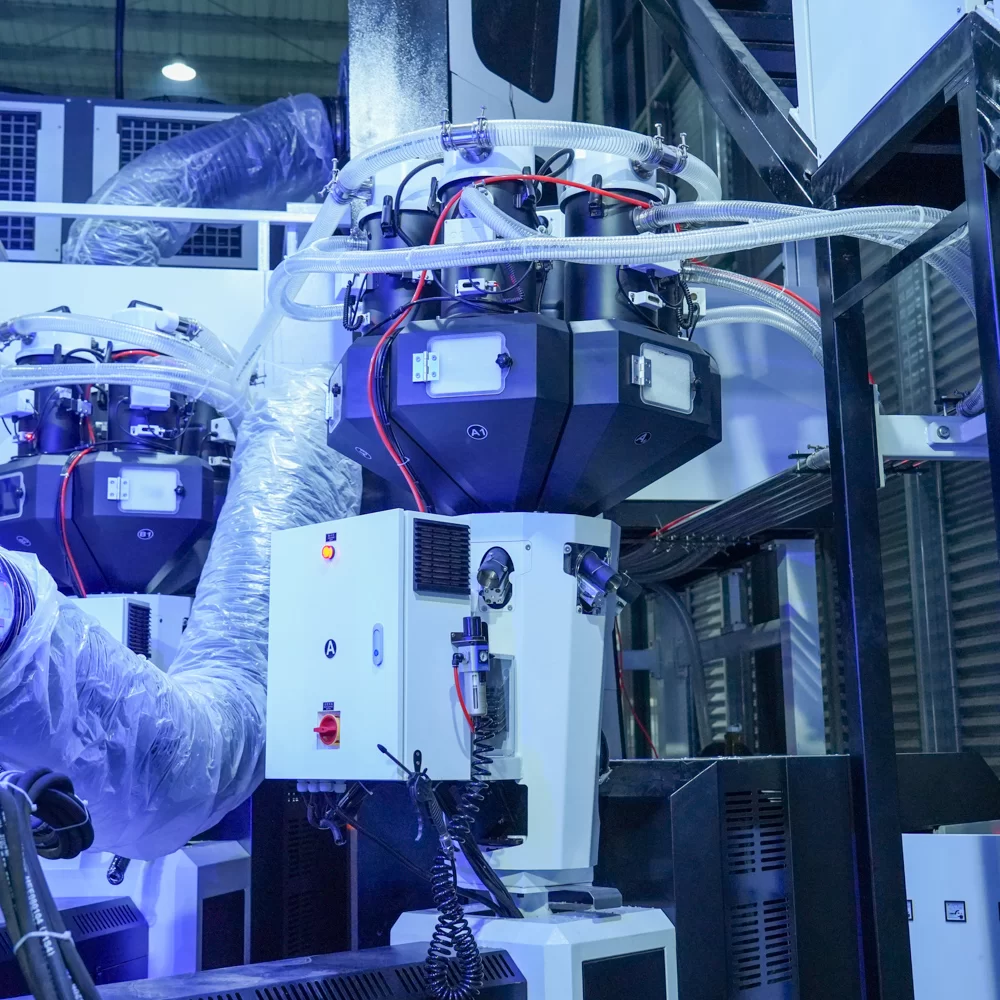
The five-layer co-extrusion blown film machine is an efficient, multifunctional production system that uses co-extrusion to melt and compound five plastic raw materials with different characteristics and blow them into multilayer composite films in one process. It can produce high-performance, multifunctional films for food packaging, medicine, agriculture, industry, and other applications. Based on whether the output film has barrier properties, the machine can be configured as a non-barrier (c
-
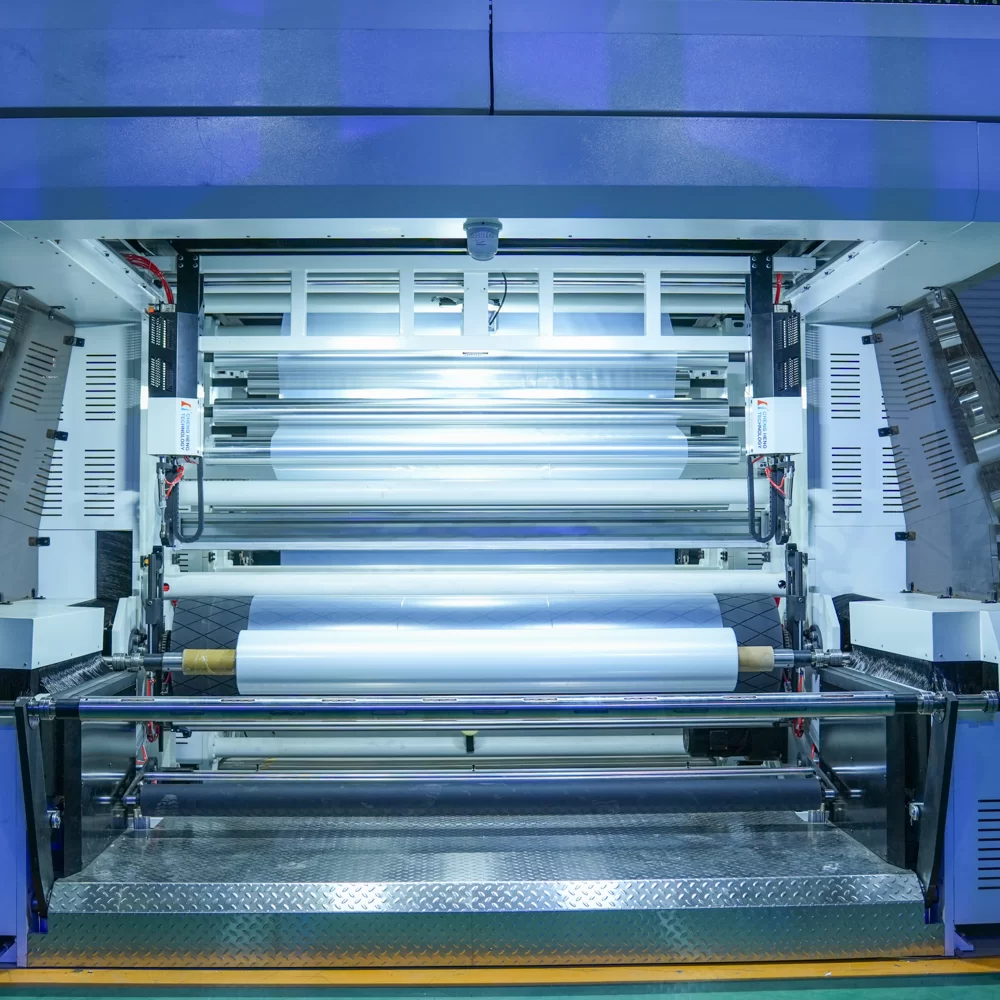 5-Layer Non-Barrier Film Blowing Machine (Laminated Film)The 5-layer Non-Barrier Film Blowing Machine (laminated film) produces films with excellent flexibility, tensile strength, and heat-sealing performance. The film’s flexibility makes it easy to process and shape, enabling adaptation to a wide range of packaging formats. Its tensile strength helps the film resist splitting or breakage during packaging and transportation. In addition, reliable heat-sealing performance ensures a consistent seal, helping to prevent leakage.
-
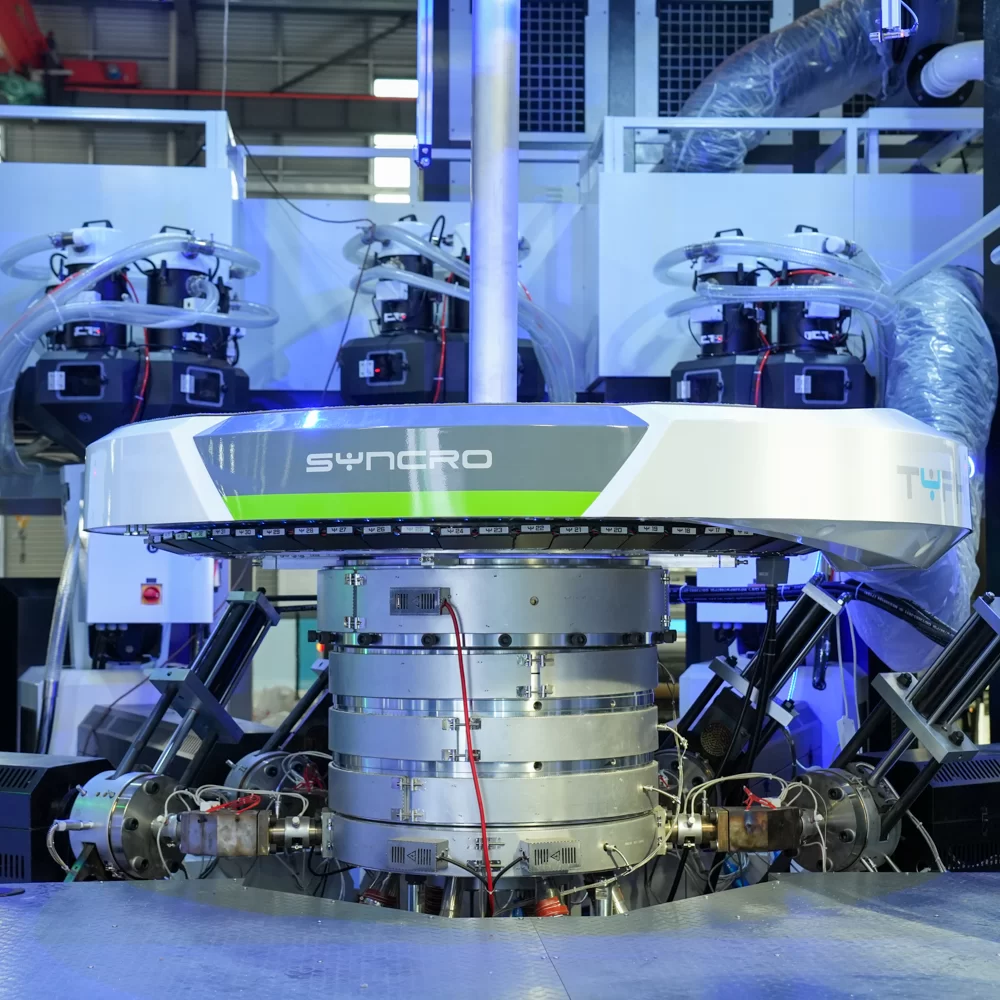 5-Layer Barrier Film Blowing MachineThe film’s key feature is its excellent barrier performance, effectively blocking the permeation of oxygen, moisture, and odors to significantly extend the shelf life of packaged products. In addition, the multi-material composite structure provides high mechanical strength, abrasion resistance, and excellent chemical stability, helping to protect product quality in a variety of operating environments.
-
Non-Barrier Blown Film Machine Die DesignThe die design for non-barrier blown film machines is focused on achieving uniform distribution and lamination of PE materials across the different layers. The flow channel structure is relatively straightforward, with the primary emphasis on ensuring stable fusion of PE materials with varying properties during extrusion. This supports the production of a composite film structure with excellent overall performance.
-
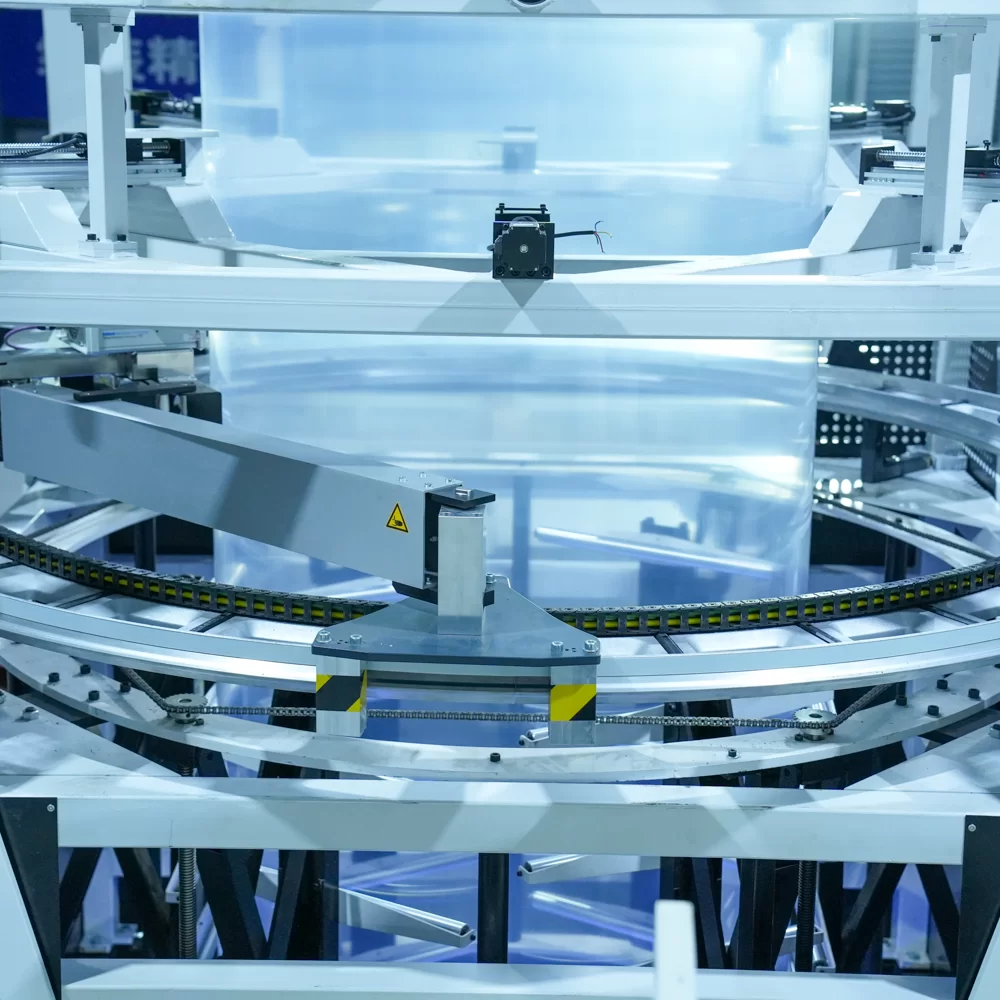 Barrier Blown Film Machine Die DesignBarrier films are co-extruded from multiple materials with different properties, which requires a more complex and precise die design. Differences in melt rheology must be considered, including variations in processing temperatures and melt viscosities of EVOH, PA, and PE. The die flow channels must precisely control the flow rate and pressure of each layer to prevent uneven pressure from creating unstable interlayer interfaces and defects such as delamination and inclusions. In addition, the thickness of the high-barrier material layer must be uniform to ensure stable barrier performance.
|
Model |
45/50/55/50/45-1800 |
50/55/65/55/50-2000 |
55/65/75/65/55-2200 |
65/75/85/75/65-2400 |
||
|
Film width |
900- 1 5 00 mm |
1000-1800mm |
1200-1800mm |
1300-2200mm |
||
|
Film thickness |
0.03-0.15mm |
|||||
|
Output
|
150-200kg/h |
150-300kg/h |
150-400kg/h |
150-450kg/h |
||
|
Output varies according to film width, film thickness, die size, and raw material characteristics. |
||||||
|
Raw materials |
HDPE/LDPE/LLDPE/EVA/MLLDPE |
|||||
|
Screw diameter |
Φ45/50/55/50/45 |
Φ50/55/65/55/50 |
Φ55/65/75/65/55 |
Φ65/75/85/75/65 |
||
|
Screw L/D ratio |
32:1 (with force feeding) |
|||||
|
Gearbox |
146# *2 180#*1 173# *2 |
173# *2 200#*1 180# *2 |
180# *2 225#*1 200#*2 |
200#*2 250#*1 225#*2 |
||
|
Main motor |
15kw*2 30kw*1 18.5kw*2 |
18.5kw*2 37kw*1 30kw*2 |
30kw*2 45kw*1 37kw*2 |
37kw*2 55kw*1 45kw*2 |
||
|
Die diameter |
Φ300mm/400mm |
Φ400mm/450mm |
Φ450mm/500mm |
Φ500mm/550mm |
||
The above parameters are for reference only and can be customized according to customer requirements. For detailed data, please refer to the actual equipment.