Sep Back to list
Blown Film Machine what is blown film.machine need to be refrigerated Performance Analysis
In the production of high-quality plastic films, thermal management is often the silent differentiator between a high-yield run and a costly batch of defective material. Many operators ask, what is blown film.machine need to be refrigerated, particularly when scaling production speeds or working with complex multi-layer polymers.
The core of the issue lies in the transition from a molten state to a solid film. If the bubble is not cooled rapidly and uniformly, the molecular structure of the polyethylene—whether it be HDPE, LLDPE, or blends—fails to crystallize correctly, leading to thickness variations and poor mechanical strength.
Understanding the necessity of specialized refrigeration systems allows manufacturers to optimize bubble stability and significantly increase output. This analysis explores how cooling mechanisms integrate with modern extrusion lines to ensure superior film performance.
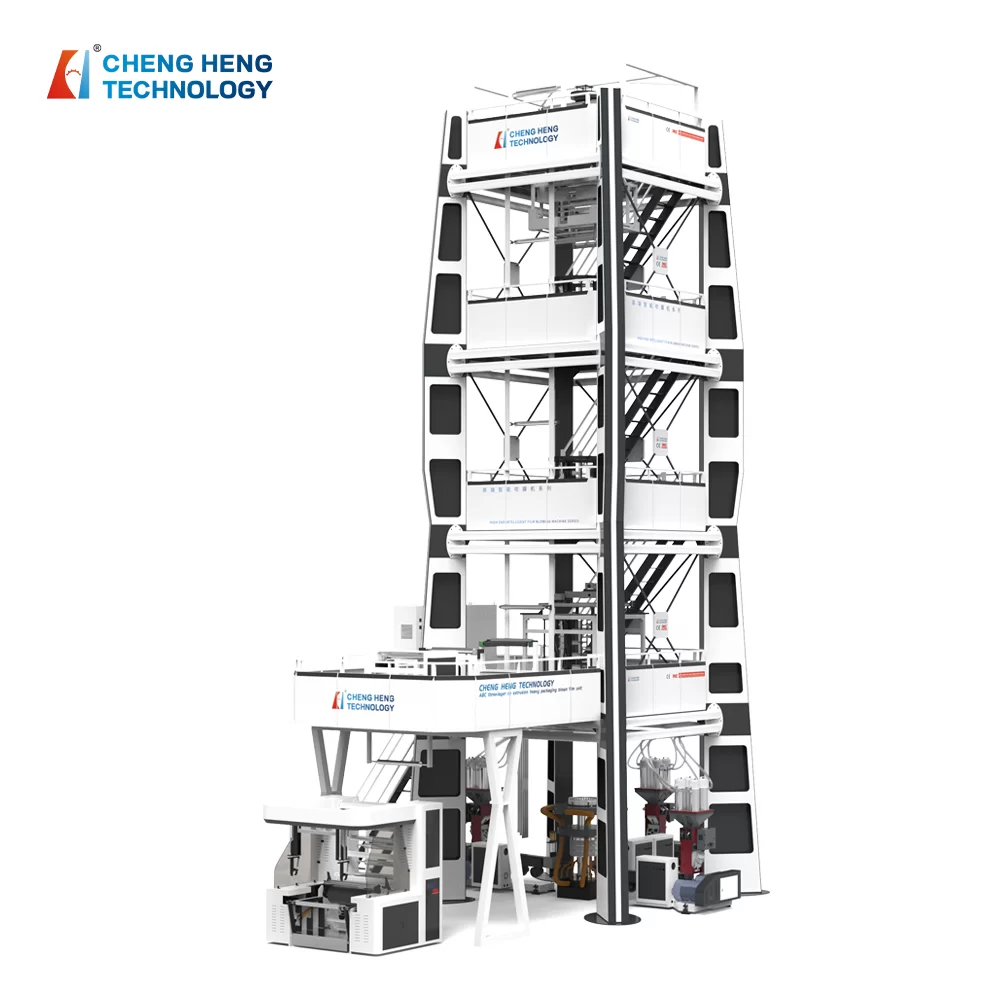
The Mechanics of Blown Film Thermal Control
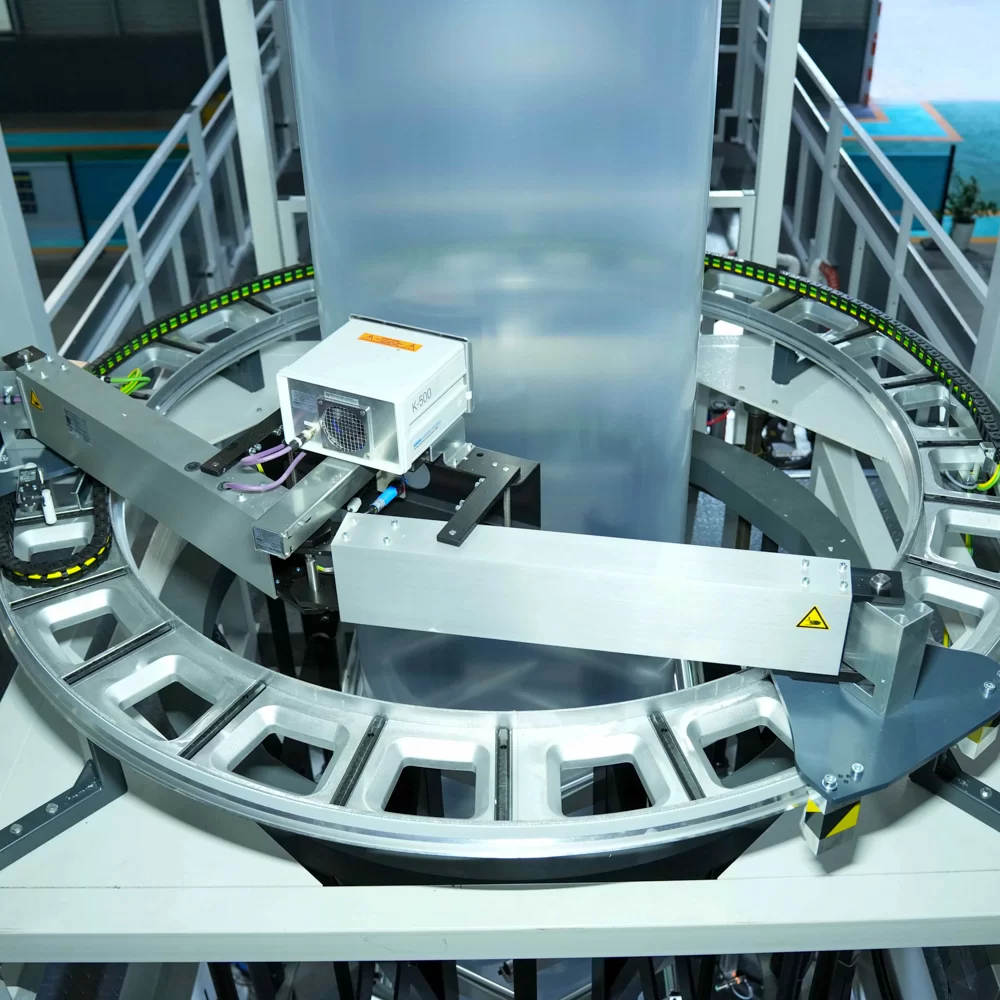
At its most basic level, a blown film machine transforms plastic granules into a thin, continuous tube. The process involves melting raw materials like LDPE or HDPE in a screw and barrel assembly, then pushing the melt through a circular die. Once the molten plastic exits the die, it is inflated into a bubble.
Thermal control occurs in two distinct phases: the heating phase within the extruder and the cooling phase surrounding the bubble. While the extruder uses heaters to reach the precise plasticizing temperature, the refrigeration system manages the removal of that heat to freeze the film's dimensions.
Why Refrigeration is Critical for Bubble Stability
Bubble instability is the primary cause of "gauge variation"—where the film thickness is inconsistent across its width. When a machine lacks adequate refrigeration or an efficient air ring, the bubble may wobble or collapse, especially at higher extrusion speeds. This is why the question of what is blown film.machine need to be refrigerated is so central to production quality.
The refrigeration system, typically consisting of a chiller and a high-performance air ring, ensures that the "frost line" (the point where the plastic solidifies) remains stable. If the cooling is uneven, the bubble expands inconsistently, leading to optical defects and structural weaknesses in the finished product.
For high-viscosity materials or multi-layer co-extrusion (such as 3-to-5 layer systems), the thermal load is significantly higher. Without a robust cooling system, the layers may not bond correctly or may overheat, degrading the polymer and reducing the overall tensile strength of the film.
Impact of Cooling on Material Crystallization
The physical properties of the film—such as puncture resistance, stiffness, and gloss—are determined by how the polymer chains organize themselves as they cool. This process, known as crystallization, is directly influenced by the rate of temperature drop.
Rapid and uniform cooling minimizes the size of polymer crystals, which generally increases the transparency and impact resistance of the film while preventing the material from becoming too brittle.
When using high-strength materials like HDPE or LLDPE, the cooling rate must be precisely managed. Over-cooling can cause internal stresses that lead to warping, while under-cooling results in a "tacky" surface that sticks during winding. Modern PLC control systems now allow for the precise synchronization of take-off speed and cooling intensity to optimize these properties.
Efficiency Gains via Advanced Cooling Systems
The integration of high-performance cooling systems does more than just improve quality; it directly impacts the bottom line by increasing throughput. By accelerating the solidification of the bubble, the take-off unit can operate at higher speeds without risking bubble rupture.
In practical application, the transition from standard air cooling to a refrigerated, high-efficiency system can result in a production increase of 15% to 20%. This allows manufacturers to meet higher demand without investing in entirely new extrusion lines.
Figure 2. Production Efficiency Relative to Cooling Capacity
Operational Considerations for Different Polymers
Material selection dictates the refrigeration requirements. For instance, LDPE is more forgiving due to its branching structure, but LLDPE and HDPE require more aggressive cooling to maintain bubble stability. When blending these materials or adding toughening agents like PA (Polyamide) for composite reinforcement, the thermal window becomes even narrower.
Equipment like the Multi Layer Blown Film Extrusion Machine must manage the different melting points of various layers. A five-layer system offers extensive formulation options, but it also introduces more heat into the bubble, making a high-performance cooling system non-negotiable for achieving high gloss and effective barrier properties against oxygen and moisture.
Future Trends in Extrusion Thermal Management
The industry is moving toward "intelligent cooling," where sensors in the air ring provide real-time feedback to the PLC system. This allows the machine to automatically adjust the cooling air volume and temperature based on the bubble's actual behavior, virtually eliminating human error in temperature setting.
Another shift is the adoption of energy-efficient chillers that reduce the carbon footprint of the refrigeration process. As sustainability becomes a core requirement for global packaging, reducing the energy required to cool the film is as important as the quality of the film itself.
Furthermore, the integration of automated tension control and winding systems ensures that the cooled film is handled without introducing creases, maximizing the utility of the refrigeration investment.
Evaluation Framework for Cooling Solutions
When selecting a blown film line, buyers should evaluate the cooling system not as an accessory, but as a core performance driver. A machine may have a high-output extruder, but if the cooling system cannot keep up, the actual usable output will be significantly lower.
Key metrics for evaluation include the air ring design, the capacity of the chiller, and the ability of the PLC to manage the frost line position. A well-designed system should allow for a wide range of film thicknesses—from 0.03mm to 0.2mm—without requiring extensive manual reconfiguration.
Below is a conceptual comparison of how cooling levels affect different production goals, helping manufacturers choose the right equipment configuration.
| Cooling Level | Primary Application | Typical Material | Key Performance Result |
|---|---|---|---|
| Standard Air | Basic Poly-bags | LDPE | Moderate Clarity/Strength |
| Forced Air Ring | General Packaging | LLDPE Blends | Improved Bubble Stability |
| Chilled Air | High-Clarity Films | HDPE / LLDPE | High Gloss & Stiffness |
| Advanced Refrigeration | Barrier Packaging | Multi-layer (PA/PE) | Superior Puncture Resistance |
| Dual-Stage Cooling | Industrial Liners | High-Viscosity Blends | Maximized Production Speed |
| Precision PLC-Controlled | Medical/Food Grade | Complex Co-extrusions | Zero-Defect Gauge Control |
Questions & Answers
Refrigeration refers to the active cooling system—usually a combination of a water-cooled chiller and a specialized air ring—that blows chilled air onto the extruded plastic bubble. Unlike simple fans, a refrigerated system controls the air temperature precisely to ensure the molten plastic solidifies quickly and uniformly, which is essential for maintaining the bubble's shape and the film's thickness.
Yes, it is possible to use ambient air cooling, but this is typically limited to low-speed production and simpler materials like LDPE. For high-speed lines, multi-layer films, or high-strength materials like HDPE, the lack of a chiller often leads to bubble instability, thickness variations, and a significant reduction in the maximum possible output speed.
Cooling rate directly impacts crystallization. Rapid cooling prevents the formation of large polymer crystals, resulting in a smoother surface and higher transparency (gloss). If the cooling is too slow, the material crystallizes more extensively, which can make the film appear cloudy or matte and may alter its stiffness.
High-density polyethylene (HDPE) and linear low-density polyethylene (LLDPE) generally require more precise and aggressive cooling due to their molecular structures. Additionally, any multi-layer co-extrusion involving barrier resins (like PA) increases the thermal mass of the bubble, making high-performance refrigeration necessary to prevent layer separation or overheating.
While there is an initial investment in the chiller and higher electricity consumption for cooling, the cost is usually offset by a 15%-20% increase in production speed and a significant reduction in waste material. Higher quality films also command better market prices, providing a strong return on investment (ROI) for industrial-scale operations.
The frost line is the visible point where the molten plastic turns solid. Refrigeration is used to control the height and stability of this line. If the frost line moves too high or fluctuates, it indicates inconsistent cooling, which leads to uneven film thickness. A stable frost line is the hallmark of a well-refrigerated system.
Final Thoughts
The technical requirement for refrigeration in blown film extrusion is not merely a matter of convenience, but a fundamental requirement for quality and efficiency. By managing the thermal transition of the polymer, manufacturers can unlock higher production speeds and achieve the precise physical properties required for modern packaging applications.
Whether operating a Single Layer Blown Film Line or a complex Three Layer ABC Blown Film Machine, investing in advanced thermal management ensures that the final product possesses the necessary puncture resistance and barrier properties to compete in a global market.