Nov Back to list
monolayer blown film machine technical performance analysis
Selecting the right extrusion equipment often comes down to a balance between structural simplicity and specific film performance requirements. For many manufacturers, the entry point into high-volume plastic production is the single-layer extrusion process, which provides a reliable foundation for a wide array of packaging needs.
While multi-layer technologies are gaining traction for specialized barriers, the fundamental demand for efficiency, ease of maintenance, and consistent output keeps the single-layer line at the core of the industry. The challenge for modern operators is no longer just about producing film, but doing so with minimal energy waste and maximum material utilization.
Exploring the technical nuances of a monolayer blown film machine reveals how precise temperature control and screw design directly impact the final product's clarity, strength, and thickness uniformity.
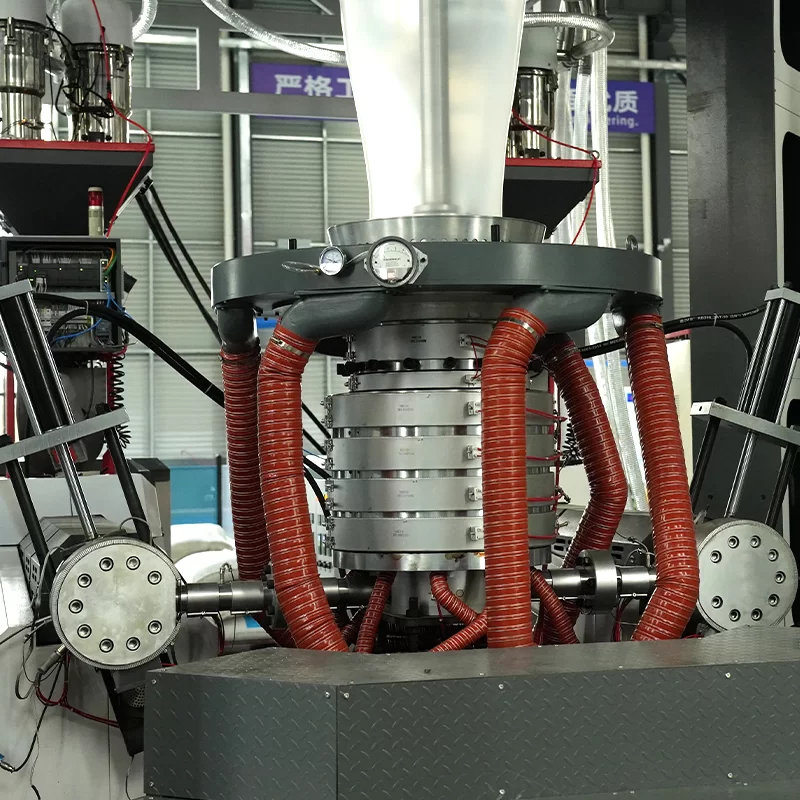
The Mechanics of Single-Layer Extrusion
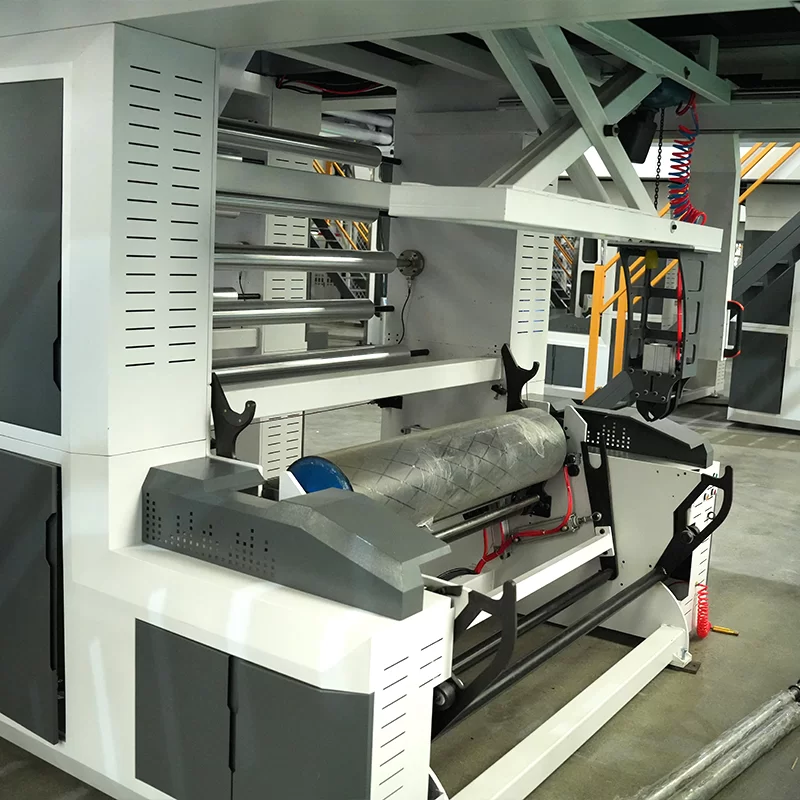
At its core, the process involves melting polymer resins—typically LDPE or LLDPE—within a heated barrel. A rotating screw pushes the molten plastic through a circular die, where it is extruded as a tube. This tube is then inflated by air to create a "bubble," which determines the final width and thickness of the film.
The simplicity of the monolayer structure allows for faster startup times and easier troubleshooting compared to complex co-extrusion lines. Because only one material stream is managed, the risk of interlayer delamination is eliminated, making it ideal for general-purpose packaging.
Critical Components Driving Film Quality
The precision of the screw and barrel assembly is the primary determinant of melt homogeneity. A high L/D ratio (such as 32:1) combined with force-feeding capabilities ensures that the polymer is fully plasticized before reaching the die, preventing "unmelts" or fish-eyes in the final film.
The die head and the air ring are equally critical. The air ring controls the cooling rate of the bubble; if the cooling is uneven, the film will suffer from gauge variation. Advanced systems now utilize rotary dies or horizontal traction systems to further stabilize the bubble, especially when producing wider films.
Electronic control systems manage the heating zones with high accuracy. By utilizing PID controllers, the machine can maintain a stable thermal profile, which is essential when switching between different raw materials like HDPE and recycled resins.
Operational Efficiency vs. Energy Consumption
Energy costs represent a significant portion of the overhead in plastic processing. The main motors and gearboxes must operate with high mechanical efficiency to minimize heat loss and electrical draw during continuous 24-hour production cycles.
True operational efficiency is achieved when the energy required to melt the polymer is balanced with the output rate, reducing the cost per kilogram of finished film.
Modern energy-saving technologies, including improved insulation and optimized motor drives, are now standard. By reducing the thermal leakage from the barrel, machines can maintain temperatures more consistently while drawing less current from the grid.
Material Compatibility and Output Index
Different resins require different torque and thermal settings. While LDPE provides excellent clarity and sealability, the addition of CaCO3 (calcium carbonate) can reduce material costs but requires a more robust screw design to handle the abrasive nature of the filler.
Output capacity is generally tied to the screw diameter. For example, a Φ65mm screw might yield 100-250kg/h, whereas a Φ100mm screw can push output up to 500kg/h. This scalability allows manufacturers to align their equipment with specific market demands.
Figure 2. Relative Efficiency Index by Screw Diameter
Industrial Application Scenarios
In a typical industrial setting, these machines are used to produce everything from thin grocery bags and liners to heavier-duty agricultural films. The ability to adjust the film thickness (often ranging from 0.02mm to 0.15mm for LDPE) allows one machine to serve multiple product lines.
For manufacturers focusing on the agricultural sector, stability is the primary concern. High-precision structural control ensures that the film's tensile strength is uniform across the entire roll, preventing tears during field installation.
Evolution Towards Intelligent Control
The shift toward fully automatic system control is reducing the reliance on manual operator experience. By automating the bubble stabilization and winding tension, manufacturers can significantly reduce scrap rates during the initial startup phase.
Furthermore, the integration of smart sensors allows for real-time monitoring of melt pressure and temperature. This preventative approach allows operators to detect potential issues before they result in defective film, ensuring a higher percentage of first-pass yield.
As the industry moves toward sustainability, machines are being optimized to handle a higher percentage of recycled materials without compromising the mechanical properties of the film, bridging the gap between cost-efficiency and environmental responsibility.
Selection Framework for New Installations
When evaluating a new extrusion line, the decision should be based on the intended end-product rather than just the machine's maximum output. A machine optimized for high-speed thin film may not be suitable for thicker, heavy-duty applications.
Key trade-offs often exist between die diameter and film width. While a larger die allows for wider bubbles, it requires more precise air cooling to maintain stability. Choosing a customized die size based on the specific raw material characteristics is often the most reliable route.
Companies like Chengheng Plastic Machinery Co., Ltd. provide a range of options from single layer lines to multi-layer ABC machines, emphasizing the importance of matching the machine's structural capacity to the operator's long-term growth plans.
| Evaluation Factor | Low Volume / Entry | Medium Industrial | High Capacity / Pro |
|---|---|---|---|
| Screw Diameter | Φ65mm | Φ75-90mm | Φ100mm+ |
| Typical Output | 100-250 kg/h | 250-400 kg/h | 400-500+ kg/h |
| Film Width Range | Up to 1600mm | Up to 2400mm | Up to 3200mm |
| Control System | Semi-Auto | Full Auto | Intelligent/IoT |
| Material Focus | Virgin LDPE | Mixed/Recycled | Specialty Alloys |
| Die Type | Standard Fixed | High-Precision | Rotary/Custom |
Questions & Answers
A monolayer machine extrudes a single layer of plastic, making it mechanically simpler and generally faster to set up. While multilayer machines offer superior barrier properties by combining different resins, monolayer machines are often more cost-effective for high-volume production of simple films, such as shopping bags or basic liners, where complex barriers are not required.
The L/D ratio (Length to Diameter) of the screw determines how long the material stays in the heating zone. A higher ratio, such as 32:1, ensures that the polymer is thoroughly melted and mixed. This results in a more homogeneous melt, which eliminates streaks or lumps in the film, directly improving the optical clarity and physical strength of the final product.
Yes, monolayer machines can process recycled HDPE or LDPE, although the quality of the output depends on the purity of the recycled resin. To improve efficiency, some manufacturers use specialized screws or additive feeders to maintain film stability. For higher quality recycled films, a three-layer ABA structure is often recommended, allowing recycled material to be hidden in the middle layer.
The die diameter determines the maximum bubble size and, consequently, the maximum film width. You must balance the die size with the blower's capacity and the cooling ring's efficiency. If the die is too large for the cooling system, the bubble will become unstable, leading to thickness variations. Always align the die diameter with your most common target film width.
Thickness variation is usually caused by uneven cooling from the air ring, fluctuations in the extruder's output, or an unstable bubble. Maintaining a consistent melt temperature and ensuring the air ring is perfectly centered are the first steps in troubleshooting. Advanced machines use automatic gauge control to make real-time adjustments to the air flow.
A rotary die helps in distributing the molten plastic more evenly around the circumference of the bubble. This is particularly useful when producing very wide films, as it reduces the "sag" effect and helps maintain a consistent wall thickness. It provides a higher degree of stability, allowing for increased production speeds without sacrificing quality.
Final Thoughts
The choice of a monolayer blown film machine remains a strategic decision for manufacturers seeking a balance between reliability and operational cost. By focusing on critical technical parameters—such as screw L/D ratios and precise cooling systems—operators can maximize their output while maintaining the high standards required by modern packaging industries.
As the industry evolves, the integration of automatic controls and sustainable material processing will distinguish high-performance lines from basic equipment. Investing in a system that allows for customization and scalability ensures that a production facility can adapt to changing market demands without requiring a complete equipment overhaul.
- 5 layer blown film machine Technical Performance Analysis
- monolayer blown film machine technical performance analysis
- multilayer blown film machine ABA technology performance analysis
- aba blown film machine technical performance analysis
- Blown Film Machine Manufacturers Vertical Traction Performance Analysis